
The Instagram Aesthetic vs The Album Aesthetic: How Social Media Reshaped Wedding Photography
72% of photographers say Instagram influences their shooting style. Wide shots halved since 2010; hero close-ups doubled. Why the feed aesthetic and the album aesthetic are fundamentally different briefs.
Continue reading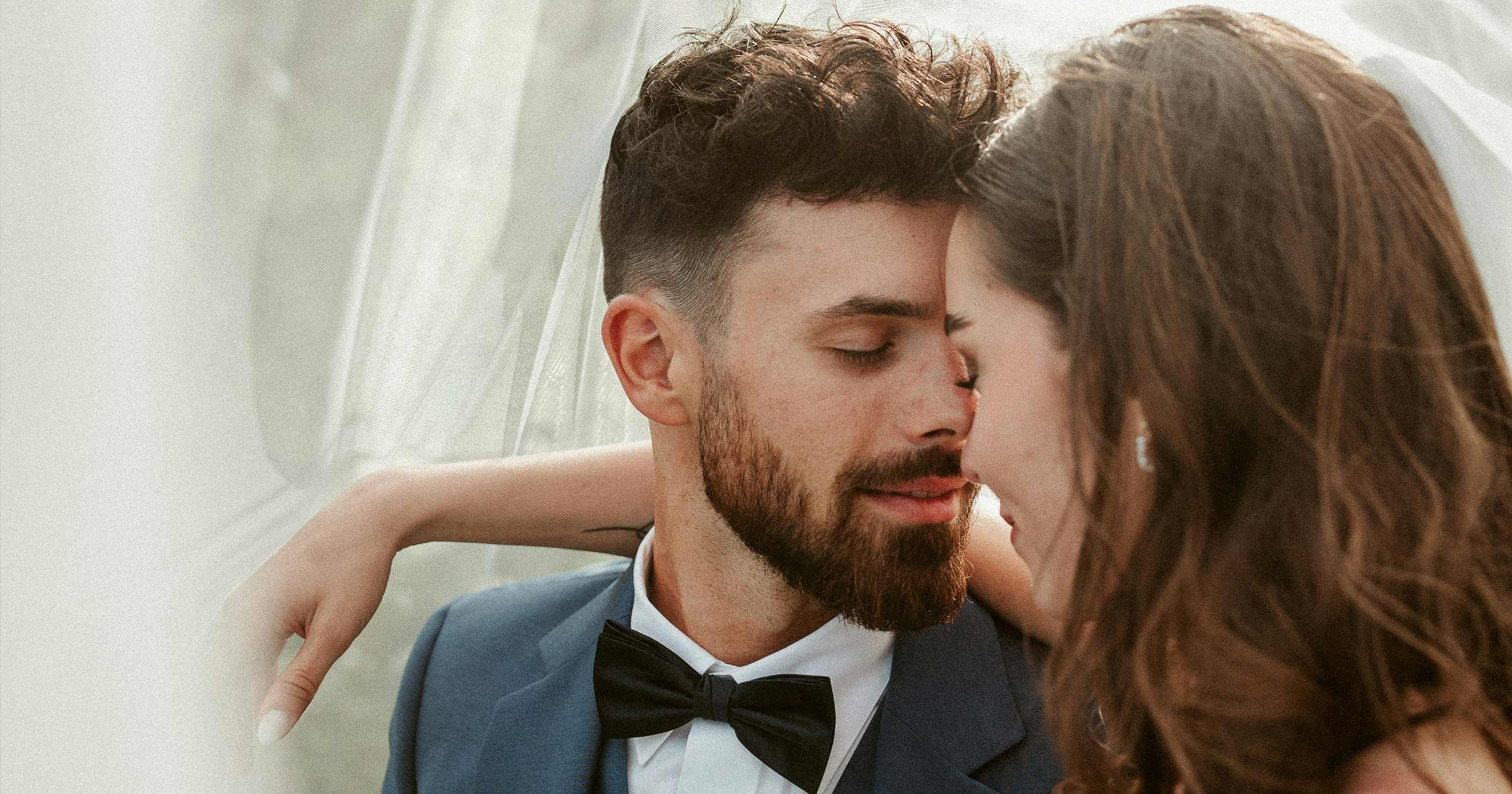
Print vs Screen: Do Couples Actually Print Their Wedding Photos?
44% of couples never print a wedding photo. Album sales fell from 54% to 32% in a decade — but prints still win on emotion and intergenerational viewing. The 2025 data.
Continue reading
The Delivery Gap: Why Photographers Deliver in 2 Weeks and Videographers in 8
Photos arrive in 18 days; video in 56 — a 38-day gap that drops video satisfaction to 7.8/10. Why it happens, how it shapes memory, and how 48-hour teasers fix it.
Continue reading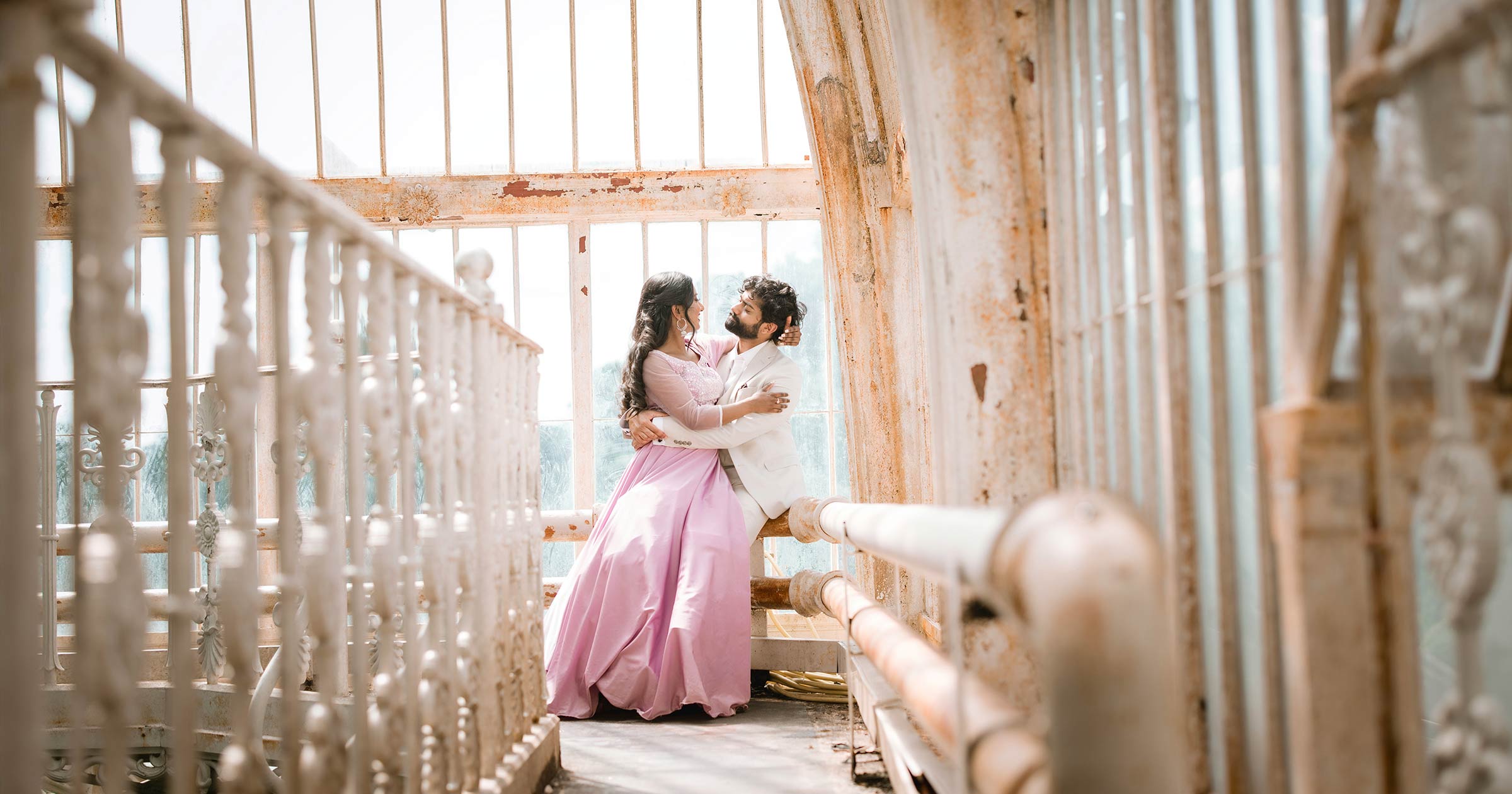
The Education Market: Do Wedding Videography Workshops and Courses Actually Improve Work?
62% of videographers bought a paid course; only 34% can point to a specific quality gain. Mentorship, peer critique, and second-shooting beat conferences and gear courses on measured ROI.
Continue reading
The Second-Screen Phenomenon: How Guest Phone Use During Weddings Affects Presence, Memory, and the Film
Guests spend 47 minutes on their phones during a 5-hour reception. How second-screen behavior hurts presence, guest memory, and professional film quality — and why unplugged ceremonies work.
Continue reading
Wedding Video as Therapeutic Tool: How Counselors and Families Use Films for Healing and Reflection
34% of couples therapists recommend rewatching the wedding video. Data on relationship repair, grief processing, intergenerational bonding, and why long-term access matters.
Continue reading
The Ethics of the Edit: What Wedding Videographers Should Film, What They Should Omit, and Who Decides
64% of videographers have witnessed a couple arguing before the ceremony — 2% included it in the edit. The ethical frameworks, consent gaps, and editorial power behind every wedding film.
Continue reading
Destination Wedding Videography: Logistics, Storytelling Challenges, and Satisfaction Data From 1,400 Events
Destination wedding films score 8.9/10 vs 8.2 local — but cost 60–100% more and carry unique logistical risks. Local vs travel videographer, carry-on strategy, and global delivery.
Continue reading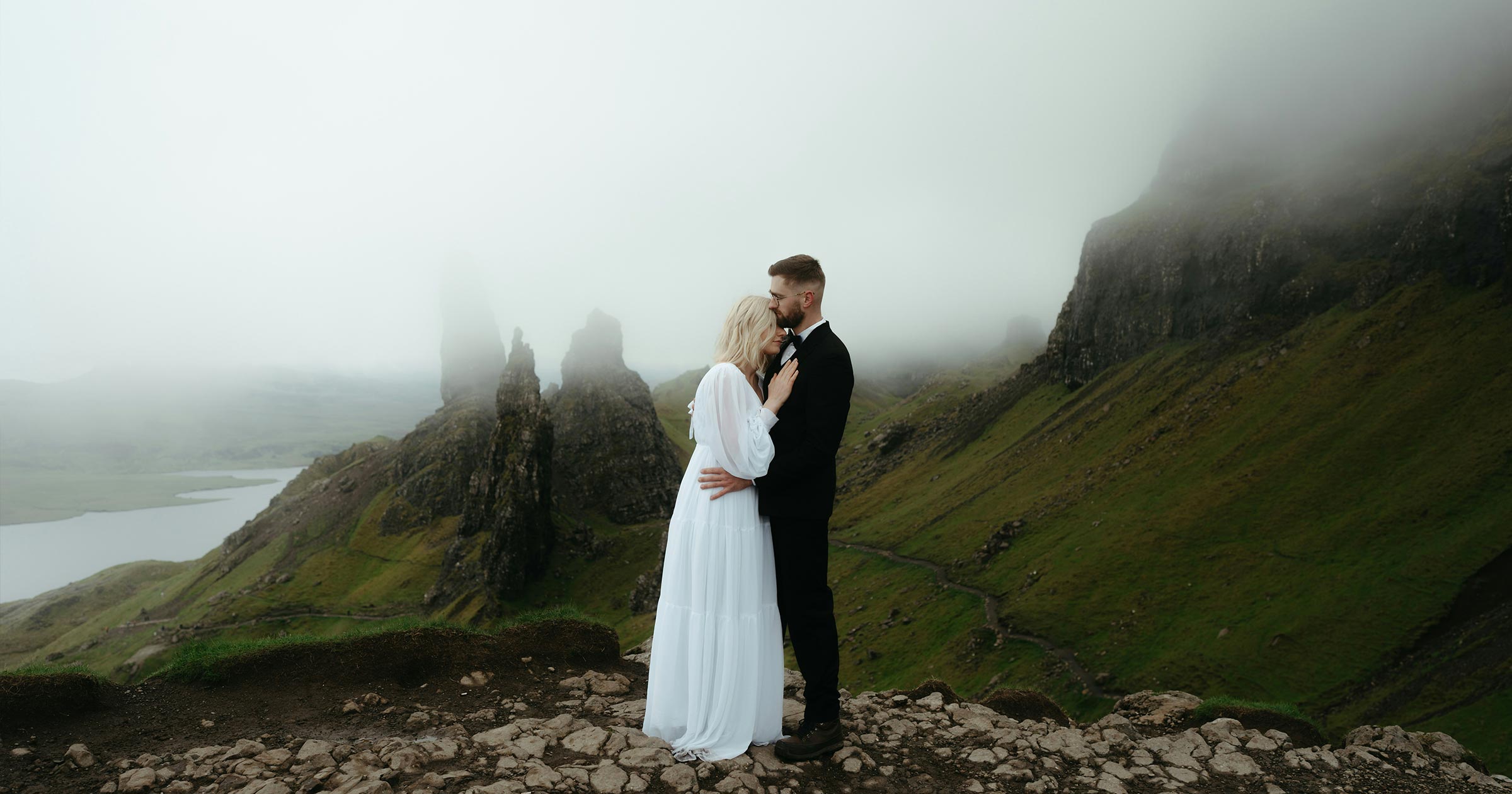
The Memory Reconstruction Effect: How Watching Your Wedding Video Alters Your Actual Memory of the Day
By year 5, only 32% of wedding memories are attributed to lived experience — 48% come from the video. How film edits become memory architecture, and what videographers owe couples.
Continue reading
The Consultation Effect: How the Booking Meeting Shapes Expectations, Trust, and Final Satisfaction
Couples who had an excellent video consultation rate their final film 26% higher. What to cover in 45 minutes, what builds trust, and why "it'll be amazing" is the worst thing you can say.
Continue reading